Could you be the next Old Edwardian working in this field to share your story?
By sharing your experiences, you can help current pupils understand the many routes into business, finance and entrepreneurship.
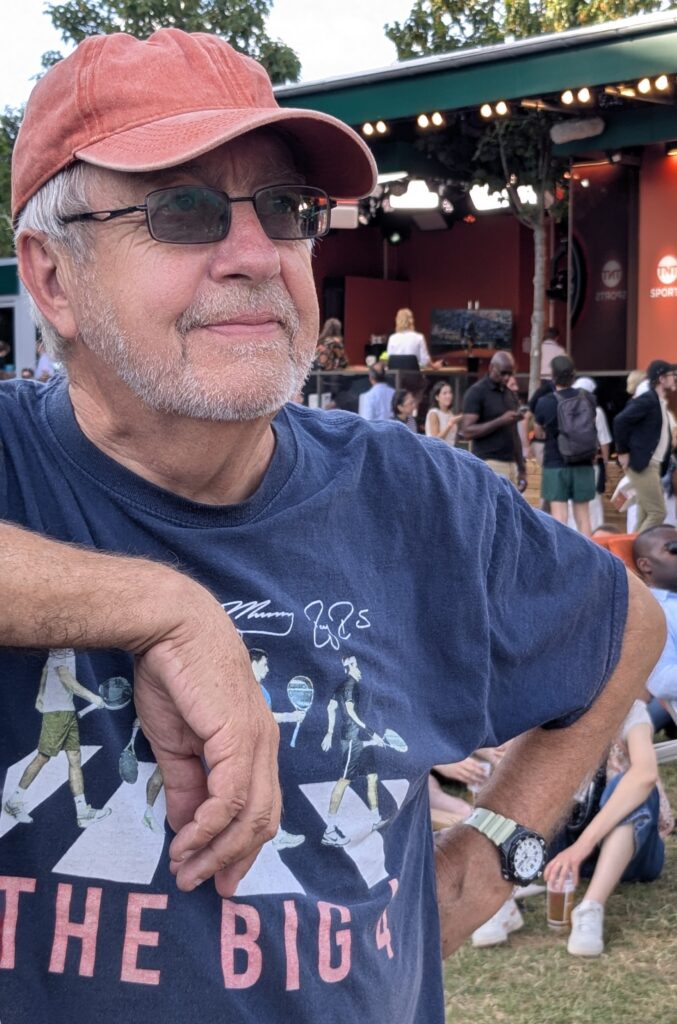
Stuart - Numbers, leadership and a passion for art history
A Levels: Maths, Physics, Further Maths and General Studies
At KES: Before 2000
Current role: Independent Trustee and Chair of Pension Trustee Boards
At first glance, Stuart’s career has been defined by numbers. Look a little closer, however, and a fascinating second passion emerges.
After leaving KES, Stuart read Mathematics at Cambridge before qualifying as an actuary in 1984. Following the takeover of his employer just a few years later, he and two colleagues took the bold decision to establish a new business, developing it into a successful financial services enterprise.
Today, Stuart serves as an independent trustee, chairing four pension trustee boards and sitting on a fifth. What he enjoys most is the variety of people he meets through his work.
While his professional life has centred on finance and governance, Stuart has never limited himself to one area of interest. Over the years, he has built an extraordinary collection of around 7,500 etchings, engravings and wood engravings, alongside a significant collection of designer bookbindings and twentieth-century literature.
Reflecting on his school days, Stuart notes that pupils were encouraged to specialise early, but his own interests have continued to expand throughout his life.
His story is a reminder that careers do not need to define us completely. Professional success and personal passions can sit comfortably alongside one another, each enriching the other.
His advice for current pupils is characteristically practical:
"Work hard, be resilient, minimise social media use and only use mobiles for essentials."
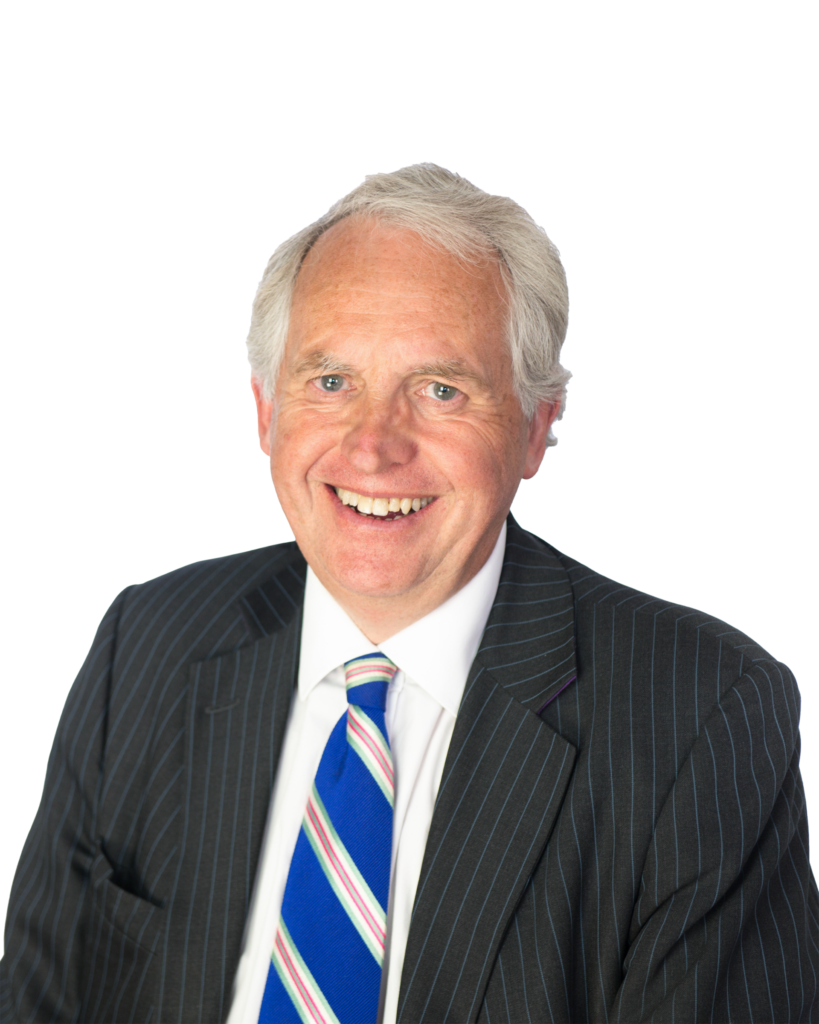
Steve - From struggling student to entrepreneur
A Levels: Maths, Physics and “yet more maths”
At KES: Before 2000
Current role: Retired Entrepreneur and Inventor
If Steve could share one message with today’s pupils, it would be this: not everyone leaves school feeling like a success, and that’s OK.
Coming to KES from a local primary school on a free place, Steve quickly discovered he was no longer the academic standout he had been used to being.
“All of a sudden I had to work. I was dismayed. I thought I was just the cleverest person around, no problem, and now I wasn’t.”
Looking back, he reflects that this was an early lesson in something educational psychologist Carol Dweck would later popularise through the concept of a growth mindset: that progress comes through effort rather than simply relying on natural ability.
School was not always easy and, when he left KES, he had little idea where life would eventually take him. University proved to be another challenge and he left after his first year.
What followed was far from conventional.
He spent several years working with bands as a lighting technician before finding a job in a small electronics company near Cambridge. There, somewhat to his own surprise, he discovered an interest in business.
“To my amazement I enjoyed business and even business accounting, real products with real customers.”
Over the following years, Steve worked in a variety of technology businesses, gaining experience in product development, manufacturing, sales and management. Not all of those businesses survived, but each taught him something useful.
When the UK recession of the early 1990s left him unemployed, he decided to create his own opportunity.
Drawing on everything he had learned, he founded a business that would later become Lumie. The company developed products that went on to be stocked by major retailers including John Lewis and Boots and became a recognised name in its field.
Steve eventually sold control of the company and retired at the age of 56.
What makes his story interesting is not that everything went smoothly. Quite the opposite. His journey demonstrates that careers are rarely predictable and that setbacks, wrong turns and unexpected opportunities can all play a part in helping you find where you belong.
His advice?
“Don’t worry, be happy. It might take a while but you’ll find a niche.”